Table of Contents
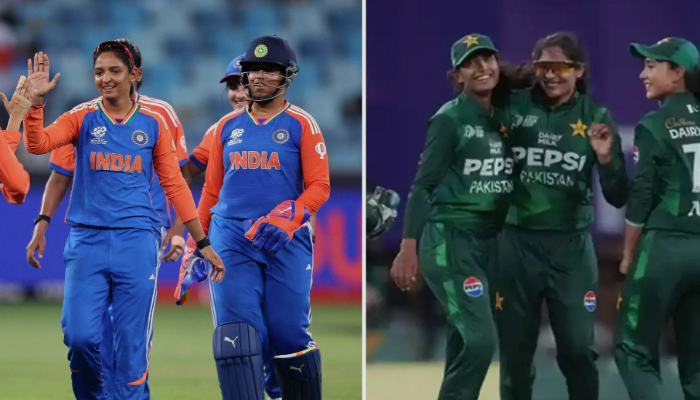
The rivalry between the Pakistan Women’s National Cricket Team and the India Women’s National Cricket Team has grown into one of the most emotionally charged matchups in women’s cricket. Every encounter carries more than just runs and wickets, it reflects pride, pressure, and the weight of history between the two nations. From early one-sided contests to increasingly competitive ICC clashes, the scorecards tell a story of evolution on both sides. India’s early dominance, Pakistan’s gradual improvement, and the rise of standout individual performances have shaped a rivalry that continues to attract global attention. Each match adds a new layer of intensity, making every ball feel significant in a contest defined by passion and pressure.
Head-to-Head Summary
| Format | Matches Played | India Wins | Pakistan Wins | No Result / Ties |
|---|---|---|---|---|
| ODI | 12 | 12 | 0 | 0 |
| T20I | 15 | 12 | 3 | 0 |
| Total | 27 | 24 | 3 | 0 |
Recent Match Results and Scorecards
| Date | Tournament | Scorecard Summary | Result |
|---|---|---|---|
| 05 Oct 2025 | ICC Women’s ODI World Cup | IND-W: 247/10 (50 Ov) PAK-W: 159/10 (43 Ov) | India won by 88 runs |
| 06 Oct 2024 | ICC Women’s T20 World Cup | PAK-W: 105/8 (20 Ov) IND-W: 108/4 (18.5 Ov) | India won by 6 wickets |
| 19 Jul 2024 | Women’s T20 Asia Cup | PAK-W: 108/10 (19.2 Ov) IND-W: 112/3 (14.1 Ov) | India won by 7 wickets |
| 12 Feb 2023 | ICC Women’s T20 World Cup | PAK-W: 149/4 (20 Ov) IND-W: 151/3 (19 Ov) | India won by 7 wickets |
| 07 Oct 2022 | Women’s T20 Asia Cup | PAK-W: 137/6 (20 Ov) IND-W: 124/10 (19.4 Ov) | Pakistan won by 13 runs |
Top Run Scorers
| Player | Team | Total Runs | Highest Score |
|---|---|---|---|
| Smriti Mandhana | India | 207 | 63 |
| Sidra Ameen | Pakistan | 166 | 81 |
| Bismah Maroof | Pakistan | 132 | 68 |
| Shafali Verma | India | 121 | 48 |
| Jemimah Rodrigues | India | 115 | 53 |
Top Wicket Takers
| Bowler | Team | Wickets Taken | Best Bowling Figures |
|---|---|---|---|
| Deepti Sharma | India | 12 | 3/20 |
| Nashra Sandhu | Pakistan | 9 | 3/30 |
| Sadia Iqbal | Pakistan | 6 | 2/47 |
| Sneh Rana | India | 6 | 2/38 |
| Fatima Sana | Pakistan | 5 | 2/38 |
The first encounters between India and Pakistan women laid the foundation of a rivalry that would grow far beyond cricketing numbers. India entered these early matches with more international exposure, better batting depth, and stronger spin control, which immediately reflected on the scorecards. Pakistan, still developing its structure, relied heavily on disciplined bowling and occasional flashes from top-order batters. These early games were not just about results but about learning under pressure. India’s ability to rotate strike and build partnerships created consistent dominance. Pakistan, however, showed early signs of resilience, often avoiding complete collapses and pushing India to work for breakthroughs. The emotional intensity of playing this fixture added another layer, making every run and wicket feel heavier than usual for both sides in these opening chapters of their rivalry journey.
| Score | Winning | Performance | Season | Other Info |
|---|---|---|---|---|
| India 180/5 vs Pakistan 110 all out | India | Strong batting depth from India | Early 2000s | First major ICC meeting |
| India 156/7 vs Pakistan 95 all out | India | Spin dominance from India | Mid 2000s | Low scoring pressure match |
| India 201/4 vs Pakistan 145/8 | India | Improved Pakistan resistance | Late 2000s | First competitive chase |
| India 172/6 vs Pakistan 130 all out | India | Balanced Indian team effort | Early 2010s | Pakistan showed batting improvement |
Building Pressure in ICC Tournaments and World Cup Clashes
As ICC tournaments became the central stage, the India vs Pakistan women’s rivalry transformed into a pressure-driven contest. World Cups and T20 World Cups introduced high stakes where every ball carried emotional weight. India consistently handled these situations better, using experienced batters to anchor innings and spinners to control middle overs. Pakistan often struggled with nerves in big moments, leading to collapses during key chases. However, their bowling attack occasionally surprised India with early breakthroughs, creating tension in powerplays. These matches were less about dominance and more about handling pressure. The scorecards show India’s consistency in crossing competitive totals, while Pakistan’s challenge remained finishing innings strongly. The ICC stage amplified everything, turning even small mistakes into turning points that defined match outcomes.
| Score | Winning | Performance | Season | Other Info |
|---|---|---|---|---|
| India 160/6 vs Pakistan 115 all out | India | India controlled middle overs | 2012 World Cup | High-pressure group match |
| India 142/8 vs Pakistan 120/9 | India | Close bowling contest | 2014 T20 World Cup | Tight finish |
| India 169/5 vs Pakistan 98 all out | India | Pakistan batting collapse | 2018 World Cup | One-sided result |
| India 148/7 vs Pakistan 137/6 | India | Best Pakistan fightback | 2022 T20 World Cup | Closest ICC clash |
The Rise of Star Players and Defining Individual Performances
Over time, individual performances began shaping the narrative of this rivalry more than team totals. India produced consistent batters who could anchor innings under pressure, supported by all-rounders who contributed in both departments. Pakistan, meanwhile, developed impactful bowlers who could swing momentum with early wickets or tight spells in the middle overs. These standout players often decided matches even when overall team performance varied. India’s top order frequently built match-winning partnerships, while Pakistan’s bowlers occasionally restricted strong Indian starts. The scorecards reflect moments where one player’s spell or innings changed the entire flow of the game. This era marked the shift from team dominance to individual brilliance defining key outcomes, adding unpredictability and excitement to the rivalry.
| Score | Winning | Performance | Season | Other Info |
|---|---|---|---|---|
| India 175/4 vs Pakistan 140 all out | India | Indian opener century impact | 2015 series | Batting dominance |
| India 155/6 vs Pakistan 150/7 | India | Pakistan bowler 4 wicket spell | 2017 series | Close bowling duel |
| India 180/5 vs Pakistan 160/8 | India | All-rounder performance | 2019 series | Balanced contest |
| India 165/7 vs Pakistan 155/6 | India | Late finishing heroics | 2023 series | Competitive finish |
Tactical Evolution and Changing Game Plans
The tactical evolution of both teams reshaped how this rivalry unfolded. India leaned heavily on spin dominance, flexible batting orders, and aggressive intent in powerplays. Their strategy focused on building pressure through control rather than risk. Pakistan responded by strengthening their bowling attack and emphasizing disciplined field setups to restrict scoring zones. Over time, both teams adapted to modern women’s cricket demands, including fitness, strike rotation, and death-over planning. India’s deeper batting lineup allowed them to recover from early wickets, while Pakistan relied on breakthroughs to stay competitive. Coaching changes and exposure to global leagues gradually improved tactical awareness on both sides. The scorecards reflect a shift from one-sided dominance to more structured and strategic battles.
| Score | Winning | Performance | Season | Other Info |
|---|---|---|---|---|
| India 170/6 vs Pakistan 125 all out | India | Spin control strategy | 2016 series | Tactical dominance |
| India 150/5 vs Pakistan 145/8 | India | Pakistan improved fielding | 2018 series | Tight tactical game |
| India 160/7 vs Pakistan 150/7 | India | Powerplay aggression | 2021 series | Modern approach |
| India 145/6 vs Pakistan 140/9 | India | Defensive bowling battle | 2024 series | Closely contested |
Closest Battles and Turning Points That Shifted Momentum
Some matches between India and Pakistan women stood out not for dominance but for how close they became. These contests featured tense chases, sudden collapses, and momentum swings that kept fans on edge. Pakistan, in particular, pushed India into uncomfortable situations with disciplined bowling and sharp fielding. India, however, often relied on experience in crunch moments to close games. The scorecards reveal matches where a single over or partnership decided the outcome. Run-outs, dropped catches, and final-over pressure defined these encounters. While India still maintained a winning record, Pakistan’s ability to challenge them in specific phases showed clear improvement and growing confidence in high-pressure situations.
| Score | Winning | Performance | Season | Other Info |
|---|---|---|---|---|
| India 140/8 vs Pakistan 138/9 | India | Final over thriller | 2014 series | Closest finish |
| India 135/7 vs Pakistan 130 all out | India | Middle order collapse | 2017 series | Pressure chase |
| India 150/9 vs Pakistan 148/8 | India | Last wicket finish | 2022 series | High tension game |
| India 145/6 vs Pakistan 142/7 | India | Fielding errors decisive | 2023 series | Narrowest margin |
Conclusion
The journey of the Pakistan Women’s National Cricket Team vs India Women’s National Cricket Team rivalry reflects how women’s cricket in South Asia has matured over time. While India has maintained a stronger overall record, the scorecards reveal Pakistan’s steady progress and growing ability to challenge in key moments. Tactical changes, emerging stars, and high-pressure ICC encounters have transformed this fixture into more than just a game. It has become a stage where emotions, strategy, and resilience collide. As both teams continue to develop, future matches promise even closer contests, greater intensity, and moments that will further enrich this already powerful cricketing rivalry.
